Finding a live independent wrestling show near you comes down to following local promotions on social media, checking event platforms and wrestling directories, and asking fans in wrestling communities which cards are worth the trip. Indie shows are run by small organizations rather than one central listings site, so searching how to find local independent wrestling shows means putting a few different searches together. Most fans who go from television wrestling to attending indies do it in about an hour of searching.
Table of Contents
- How to Find Local Independent Wrestling Shows: What You Need
- Step-by-Step
- 1. Define Your Search Area and Schedule
- 2. Search Promotion Websites and Social Media
- 3. Check Community Listings and Wrestling Directories
- 4. Verify the Promotion, Venue, Date, and Wrestlers
- 5. Compare Ticket Options and Total Costs
- 6. Contact the Promoter and Arrive Prepared
- Common Mistakes
- Relying on One Search Method
- Buying From an Unverified Seller
- Assuming Every Show Matches Major-Promotion Standards
- Frequently Asked Questions
- What is the best way to find local independent wrestling shows?
- How late should I arrive at a small independent wrestling show?
- Can I buy tickets at the door, or do I need them in advance?
- How can I tell whether an independent wrestling event is legitimate?
- Why was a local wrestling show canceled or postponed?
- How do I find a recurring promotion near me?
- Conclusion
How to Find Local Independent Wrestling Shows: What You Need
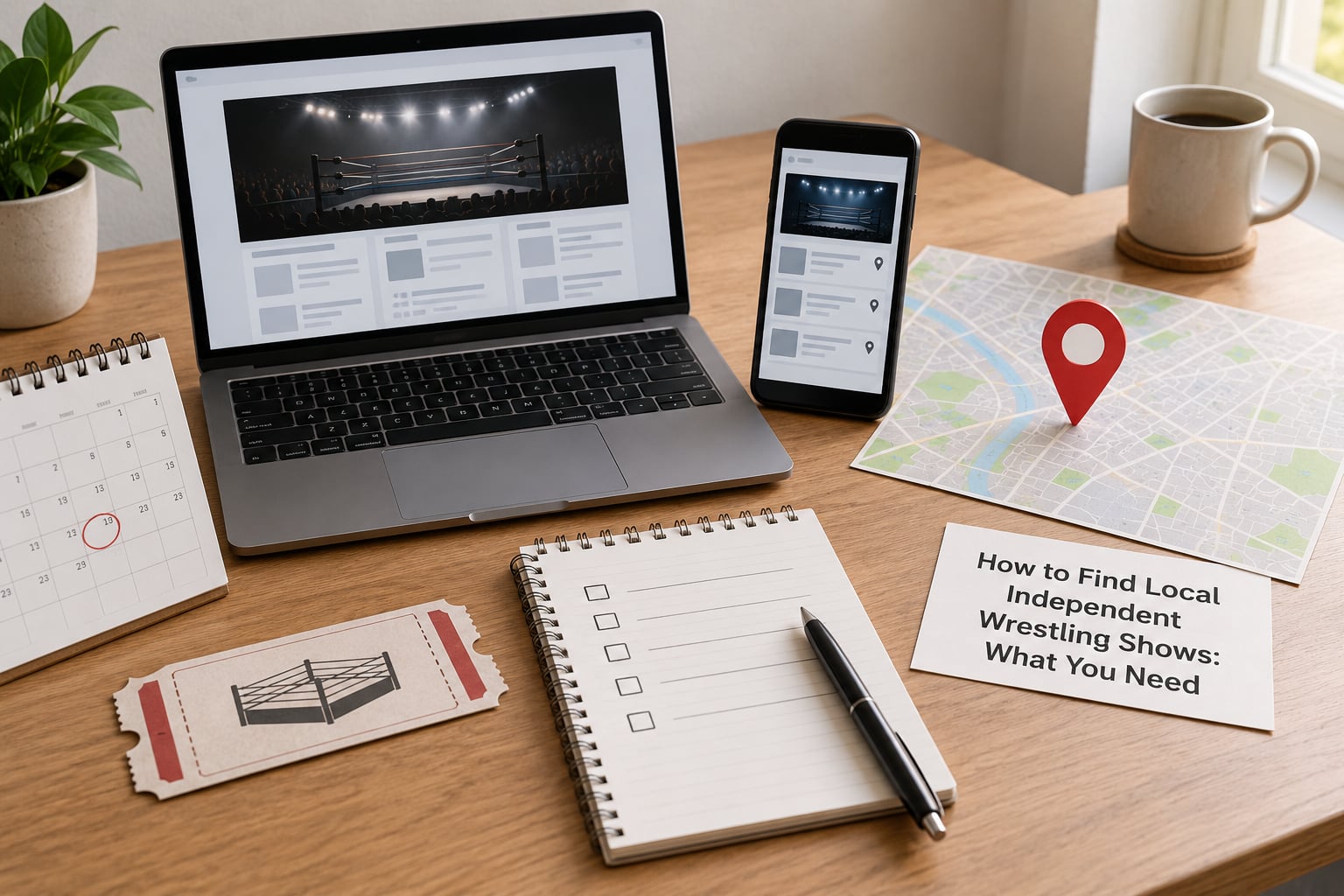
You need very little to start. A phone or laptop with internet access, a rough idea of how far you are willing to drive, and a payment method for tickets will carry you through the whole process.
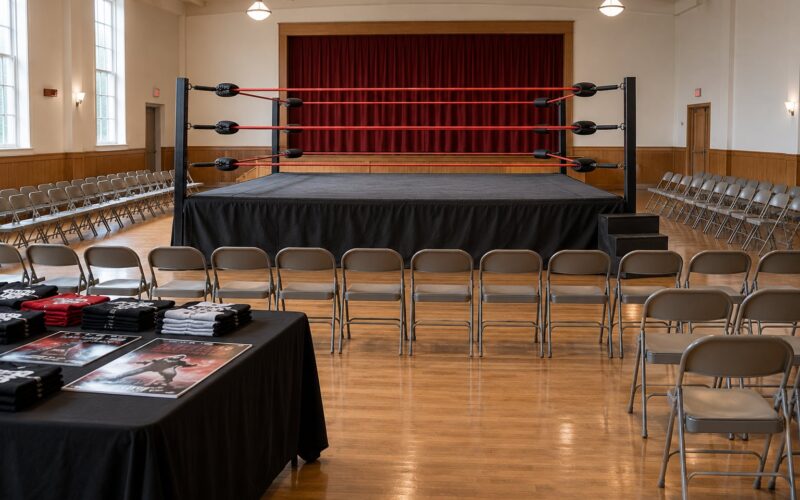
The part people skip is deciding what kind of show they want. A weekly school show in a VFW hall, an established regional promotion running a larger building, and a special one-night super show are three very different searches. Pick one to start with, then widen the net.
There is no single national listing page for indie wrestling. Ticketmaster misses most local cards, Eventbrite lists some but not all, and many small promotions only announce through an Instagram account. That fragmentation is the reason a repeatable method beats guessing.
Step-by-Step
1. Define Your Search Area and Schedule
Set a driving radius you would genuinely enjoy. For most fans that is 25 to 40 miles for a weekly show and up to a couple of hours for a super show. Search within your radius on Saturday afternoons and on weeknight evenings, when most cards run.
Note the days that work for you before you start searching, not after. A promotion that runs every other Friday is a different commitment than one that books a single show per month, and calendars get tight fast once you follow several of them.
You know this step worked when you can name the type of show, the radius, and the nights you are free. Without those three answers, every listing looks equally useful and none of them are.
2. Search Promotion Websites and Social Media
Search the exact phrase plus your city name, then repeat it with nearby towns. Add terms like indie wrestling, local wrestling, live pro wrestling, and wrestling show, because different promotions describe themselves differently in their own bios.
On Instagram, search hashtags rather than only names. Try combinations like your city name with wrestling, plus style tags such as lucha libre, puroresu, hardcore, or deathmatch depending on what you enjoy. Location-tagged posts surface shows you would otherwise never see in a feed.
On Facebook, look for events pages and groups for your city and state. Long-running local groups often post card announcements months ahead, and members will answer questions about which promotion is legitimate.
Tell an active announcement from a recycled one by the date. Posts that mention a specific month, venue, and ticket link are current. A graphic with no date attached is usually artwork reused from an earlier run, which is common because promotions reuse branding all season.
You know this step worked when you have followed or bookmarked at least three promotions that have announced a show inside your radius in the next two months.
3. Check Community Listings and Wrestling Directories
Event platforms such as Eventbrite and SlamBooking handle a large share of indie ticketing, and searching by city and category surfaces cards that never appear in a general search. Ticketmaster is worth a look for larger regional shows, though it covers far less of the indie scene.
Wrestling directories fill the gap for shows that sell direct. Some maintain region-specific lists, including Bay Area cards with venue and age details on each entry. Streaming services with promotion directories are useful too, since a promotion streaming its catalog is usually running shows regularly enough to follow.
Fan communities are the best source for shows with tiny audiences. Subreddits for indie wrestling, professional wrestling, and your own city all surface card discussions, and style-specific communities are better for matching taste, whether you want deathmatch, technical, lucha, or comedy wrestling.
Cross-check anything promising against an official source. A community post tells you a show exists; the promotion’s own page tells you it is real.
4. Verify the Promotion, Venue, Date, and Wrestlers
Searching for how to find local independent wrestling shows produces plenty of listings, and listings go stale fast. Before you buy, confirm the promoter name, venue, city, date, start time, advertised lineup, ticket source, age restrictions, and whether the event is in person, streamed, or both.
Lineups change closer to the show. Promotions book wrestlers weeks ahead, and injuries or travel conflicts force card changes in the final stretch. Treat the advertised card as a plan rather than a guarantee.
Age restrictions deserve a close look. Some cards are strictly 21 and over with identification checked at the door, and many listings bury that detail. If you are bringing children or planning a family outing, confirm the age limit in the listing and again with the organizer.
5. Compare Ticket Options and Total Costs
Most small local shows offer general admission, sometimes with reserved seating for the front rows. Larger regional cards add ringside, bundles, VIP packages, and a digital stream access tier for fans who cannot attend in person.
Tally the costs that sit outside the ticket itself: fuel or rideshare, parking, any service fee added at checkout, and merchandise if you plan to buy something at the table. A venue with free parking makes a bigger difference than most people expect.
Some venues have no published capacity, so the same room can hold a very different number of people card to card. Ask how many tickets are typically available for a given room size when you message the organizer.
Look at the return, too. If you cannot attend a particular date, check whether the promotion honors ticket transfers or offers a credit for a later show. A few regional promotions do; many small ones do not.
6. Contact the Promoter and Arrive Prepared
When details are missing, send one concise message. Ask about the start time, whether tickets remain at the door, the age limit, parking, and how long the card is expected to run. Promotions running on volunteers answer most of this publicly, so a quick scroll back through their recent posts may save you the message.
Save whatever confirmation you get. If a date shifts, you will want a screenshot showing when the change was announced.
Check the venue’s rules on bags, cameras, and re-entry, and plan to arrive 20 to 30 minutes early. Small rooms fill from the front, and a ringside seat sold at the door is the only way to get one.
If a card is delayed, moved, or called off, look for a statement on the promotion’s main social account first. A change posted only to a comment thread is easy to miss, so check back a day later before assuming the show is off.
Common Mistakes
Relying on One Search Method
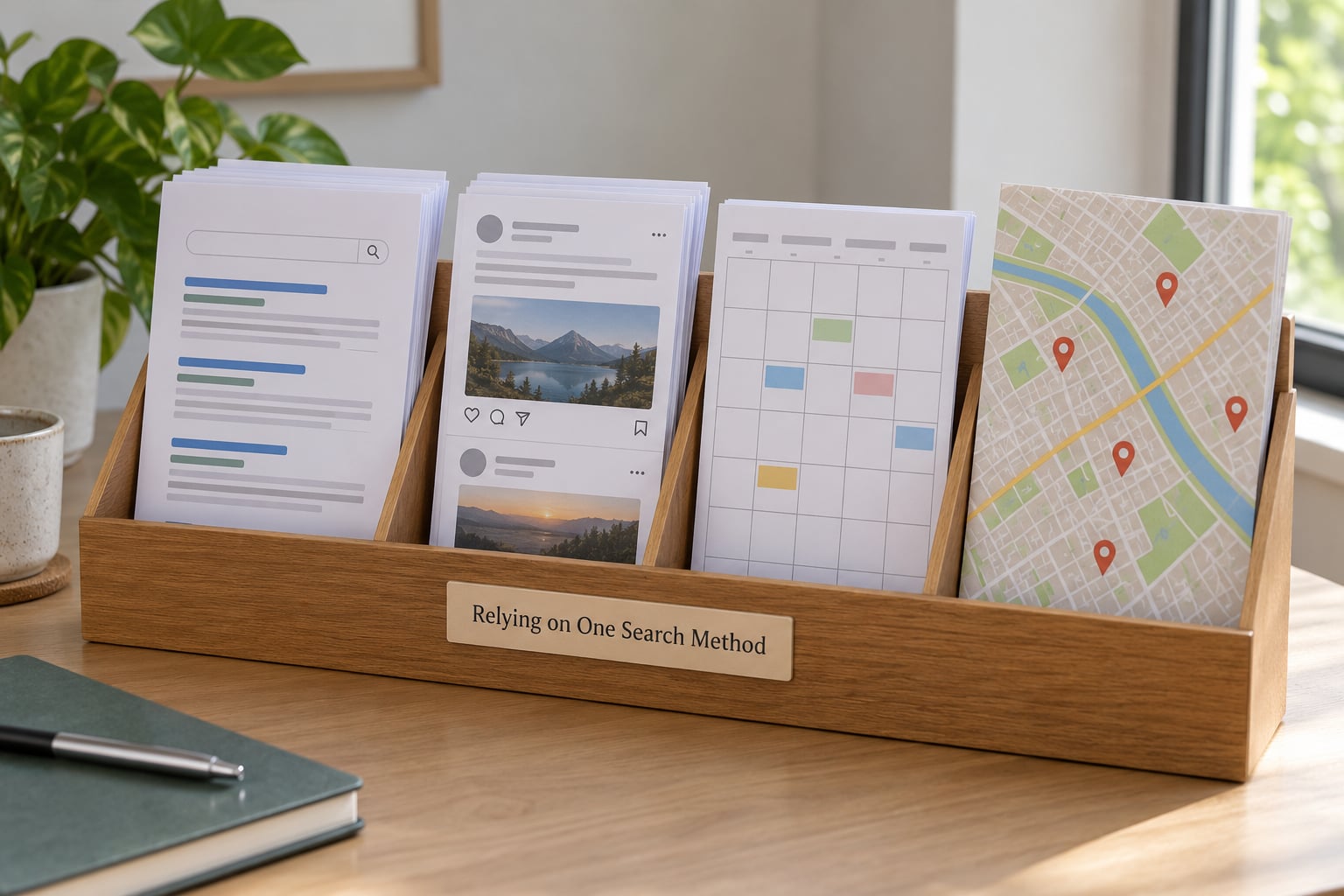
A single event directory will miss smaller indie cards, because a meaningful share of local shows are announced on a social account and sold at the door with no listing anywhere else. Combine channels instead: official promotion pages, social posts, venue calendars, and community recommendations.
The most productive routine takes ten minutes. One search on each platform, one directory check, one look at a local community, and one look at the calendar of a venue that hosts wrestling regularly. Run that weekly and a shortlist builds itself.
Buying From an Unverified Seller
Warning signs include a seller who cannot name the official ticket page, asks for payment through an unusual method, sends a barcode you did not request, or offers a full venue at a large markup for a small local show.
Buy through the promoter’s or venue’s official ticket page, confirm the seller name matches the organization, and keep your order confirmation. If a listing asks you to move to a different messaging app to complete payment, walk away and ask the organizer directly.
Assuming Every Show Matches Major-Promotion Standards
Independent wrestling runs on a fraction of the budget and staff. Runs can be long, audio and video quality vary by venue, and match cards shift late. That is normal, and it is not a sign of a poor show.
For accessibility, lighting, seating, or safety questions, contact the organizer respectfully and in advance. A promotion that answers a direct question about wheelchair access or an all-ages policy is a good sign; one that ignores it is worth thinking twice about.
One more tip before you go: ask two fans who have attended recently which promotion near you is worth the drive. Recommendations from people who have seen several shows are more useful than any directory ranking.
Frequently Asked Questions
What is the best way to find local independent wrestling shows?
Follow local promotions on Instagram and Facebook first, then check event platforms, wrestling directories, and fan communities for shows that sell direct. Searching your city name with wrestling-related hashtags surfaces small cards no directory lists. Ask which promotion is worth the trip in a local wrestling community, then confirm every detail on the promotion’s official page.
How late should I arrive at a small independent wrestling show?
Arrive 20 to 30 minutes early. Small rooms fill from the front, and ringside or front-row seats sold at the door go first. Arriving early also gives you time to find parking, buy merchandise, read the card if one is posted, and settle in before the first entrances rather than during them.
Can I buy tickets at the door, or do I need them in advance?
Many small local shows sell at the door, but popular cards in small rooms can reach capacity before the bell. Buy in advance for a weekend show, a headliner, or any card where you want to be near the ring. Ask the organizer whether door sales are cash only and whether prices differ from the presale.
How can I tell whether an independent wrestling event is legitimate?
Look for an official promotion account with a real posting history, a named venue and city, a working ticket link, and a contact method. Legitimate shows answer questions about age limits, start times, and refunds. Be cautious with sellers who cannot point to an official page or request unusual payment methods for a local card.
Why was a local wrestling show canceled or postponed?
Common reasons include a wrestler injury or travel conflict, a venue double-booked or unavailable, weather, low advance ticket sales, and equipment problems. Promotions usually post a statement on their main social account. Check the venue’s calendar as a backup, since a moved date is often still scheduled at the same building.
How do I find a recurring promotion near me?
Look for promotions that run a weekly or monthly show rather than occasional specials. Their posts build a pattern, and that pattern makes the next date predictable. Community threads and regional directories often list which promotions are active in a given city. Following three or four recurring promotions gives you a calendar year round.
Conclusion
Start with a defined search area, since how to find local independent wrestling shows really means narrowing by distance, dates, and the kind of card you want. Follow the promotions you find so show announcements reach you early, treat community listings as a lead rather than confirmation, and verify the promoter, venue, date, and age limit on an official page before you buy.
Then contact the organizer with one short message covering the details that matter. Ten minutes of searching once a week is enough to keep a shortlist of shows you would actually enjoy.