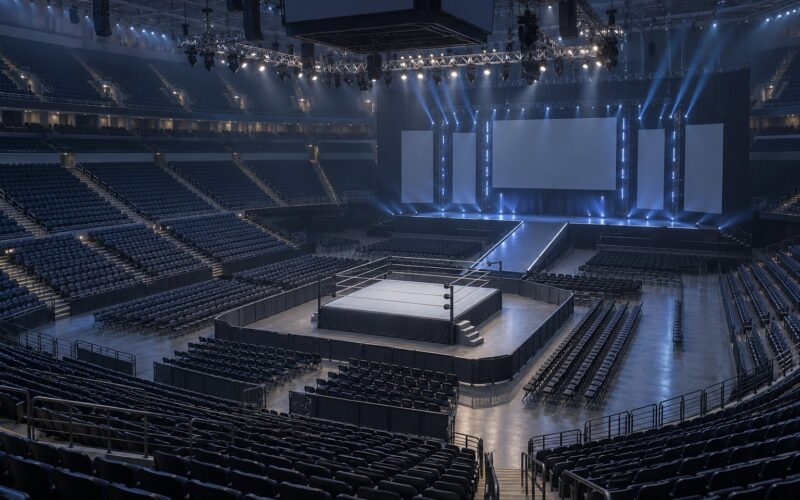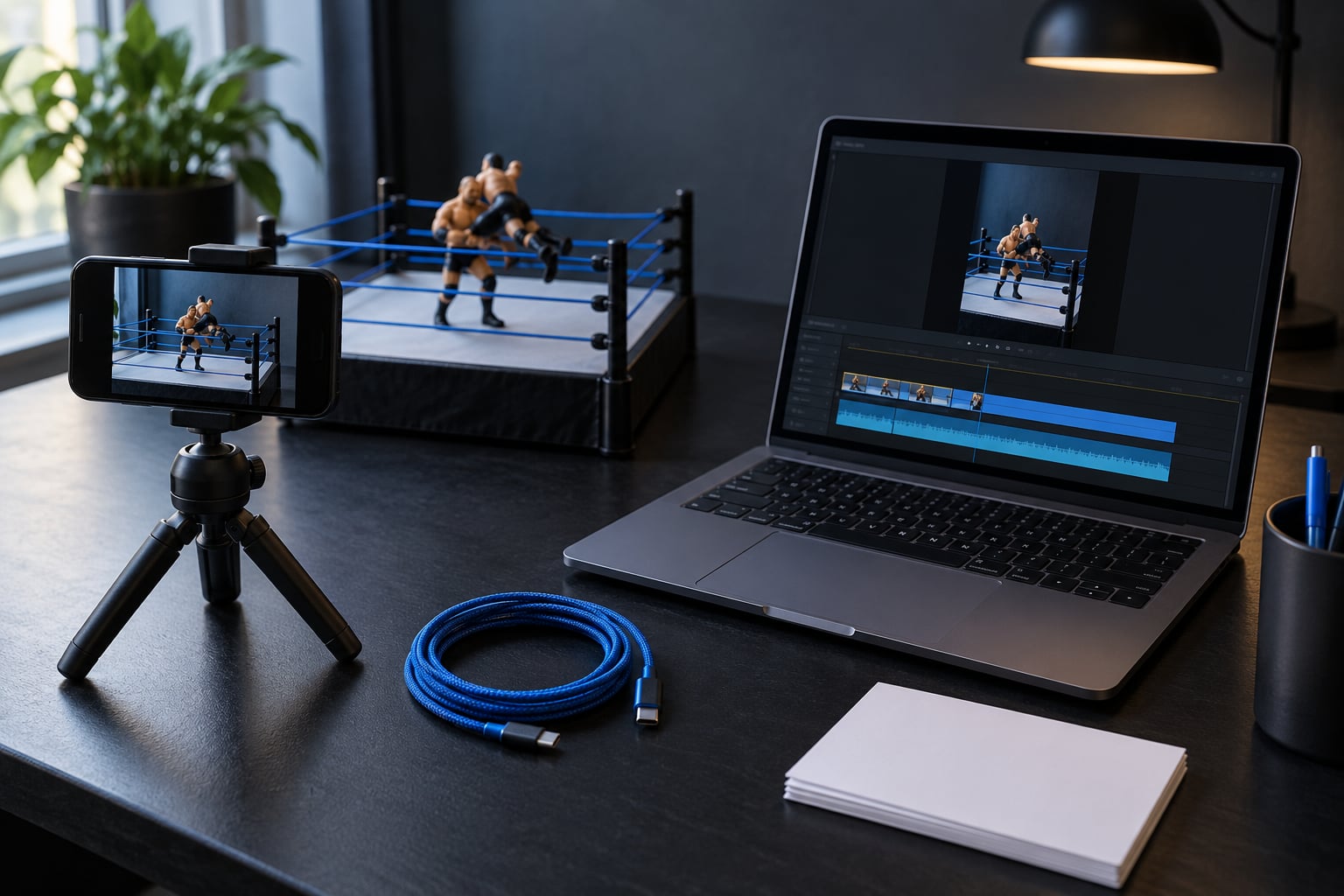
How wrestling marketing uses social media clips comes down to one job: turning a single moment in front of a few hundred people into discovery material for people who were never at the show and never watched the weekly episode. Promotions and wrestlers cut matches, entrances, promos and backstage footage into short vertical videos, caption them for search, and post them to TikTok, Instagram Reels and YouTube Shorts within hours of a show ending.
That clip is often the first thing a potential fan ever sees of a wrestler, which makes the feed the real front door and television the destination. The rest of this guide covers which moments travel, how a single clip turns into a campaign, and what to measure. Last reviewed October 2026.
Table of Contents
- Why Social Media Clips Matter in Wrestling
- How Wrestling Marketing Uses Social Media Clips
- Which Wrestling Moments Make the Best Clips?
- How Promotions Turn Moments Into a Campaign
- Why Short-Form Video Captures Wrestling’s Character Work
- How Do Wrestlers and Promotions Repurpose Clips?
- How Platforms and Formats Change the Presentation
- How Can Wrestling Clips Reach Fans Beyond the Live Audience?
- How Do Wrestling Campaigns Measure Clip Performance?
- What Makes a Wrestling Clip Effective?
- Frequently Asked Questions
- How long should a wrestling social media clip be?
- Can a promoter post match clips without showing the full result?
- How should wrestling clips be captioned for viewers who watch without sound?
- What is the safest way to repost wrestling footage on social media?
- Is it better to post one highlight or several short clips from the same event?
- How can a small wrestling promotion use clips without a large production team?
- Conclusion: Start With the Moment That Matters
Why Social Media Clips Matter in Wrestling
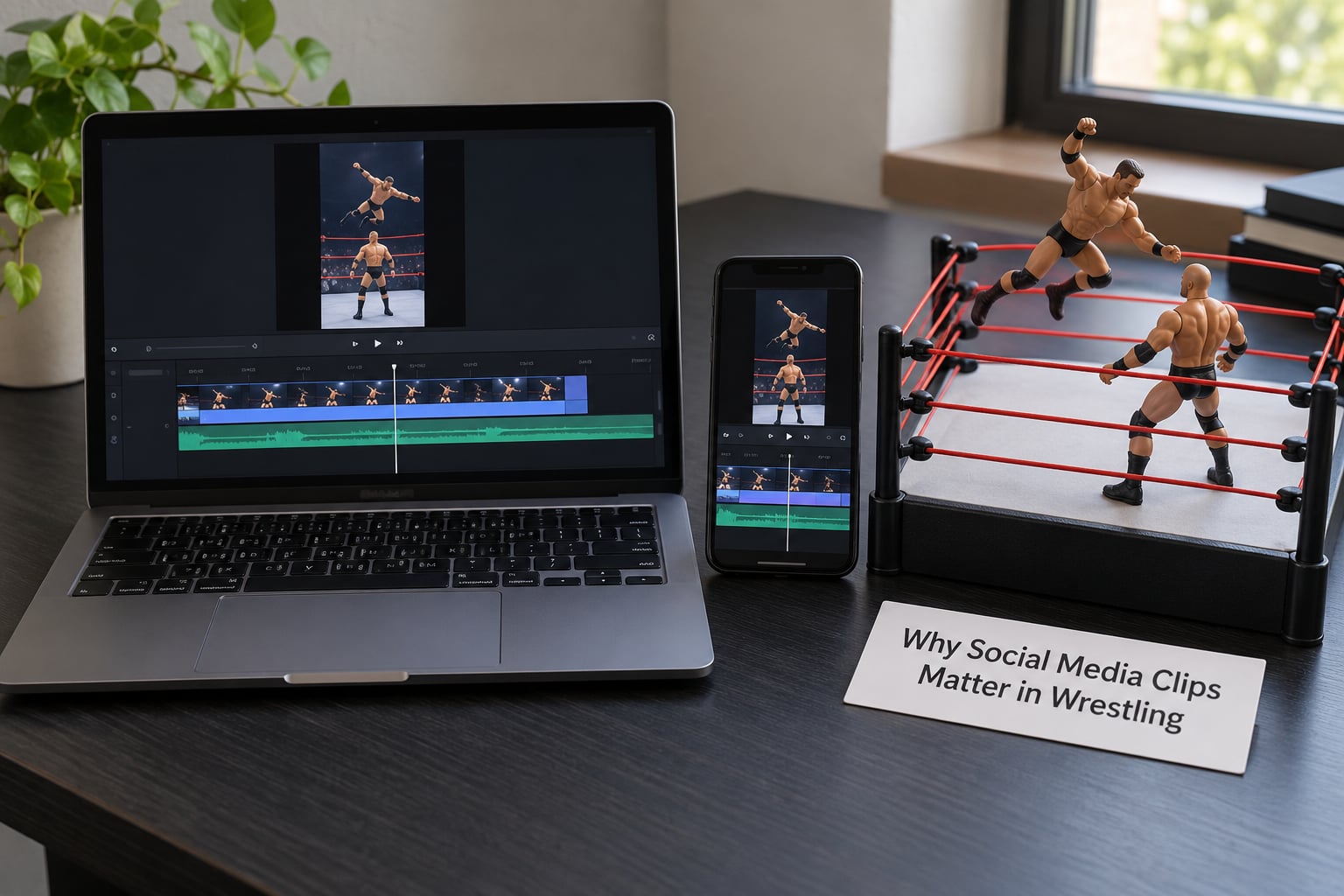
Clips matter because attention and duration are scarce. A 90-minute broadcast asks for a long commitment; a 20-second clip asks for two. Someone who finds that clip on a Saturday night has just met the promotion without spending an evening on it, and they can decide whether the next show is worth a ticket.
Clips also extend the life of material that would otherwise disappear. An episode airs, the moment is discussed for a day, and then it is gone. Cut into a handful of clips, the same moment can resurface for weeks as a promo for a rematch, a return, or a ticket sale.
The third reason is that clips carry story past the weekly schedule. Feuds develop on shows a viewer does not see, and the clip is how that viewer catches up. Fans have been clear for years that social platforms are where wrestling got faster and more accessible, and independent performers like Brianna Bandz have talked openly about short-form clips driving booked opportunities rather than simply inflating a follower count.
How Wrestling Marketing Uses Social Media Clips
Wrestling marketing uses social media clips by identifying a moment with emotional value, capturing it cleanly, cutting it to a short vertical video with the hook in the first two seconds, writing a caption that explains the context, publishing it natively to the platforms where its audience already scrolls, and checking the numbers against the goal the clip was meant to serve.
In practice that runs as six repeatable steps, and the order matters more than the equipment.
Identify the moment. Watch for the second something visibly changes: a stare-down that never breaks, a kickout that nobody expected, an entrance the crowd was already standing for.
Capture it more than once. A wide shot tells you nothing on a phone screen. Get close, get it vertical, and record audio separately when you can.
Cut for the first two seconds. Start on the moment itself, not the setup. The viewer deciding whether to keep watching has not met your characters yet.
Caption for search. Name the wrestlers and the promotion in plain words. People search names, not slogans.
Publish natively, then spread. Post to the platform the clip was cut for rather than dumping a watermarked copy everywhere at once.
Read the response. A clip that gets views and no ticket interest did one job, not the job you set.
Which Wrestling Moments Make the Best Clips?
Eight categories cover almost everything a promotion should be cutting, and each works for a different reason.
Entrances. The ring lights, the gear, the music, the first frame of a character. Entrances are presentation, so they photograph well and need no explanation.
Staredowns and confrontations. Two people facing each other reads instantly at any size. These carry feud heat without spoilers.
Sudden attacks. The cheating corner kick, the low blow, the ambush from behind. Surprise is the hook, and surprise is cheap to cut.
Crowd reactions. A pop you can hear tells a non-wrestling viewer something happened. It also proves other people cared, which is persuasive.
Returns and debuts. A wrestler walking out to a crowd that has waited for them is one of wrestling’s most reliable emotional clips, and it works on someone who has never heard the name.
Title wins and near-falls. The near-fall at 2:59 is a natural cliffhanger. It sells the next match more effectively than any poster.
Promo cut-ups. The hardest line from a mic promo, trimmed to 15 seconds with the accusation intact. Quotes become memes, and memes travel further than clips of the same match.
Emotional or comedic beats. A wrestler crying, laughing at their own entrance, or arguing in the crowd. These underperform on views and outperform on shares, which matters when the audience is small and tight.
How Promotions Turn Moments Into a Campaign
Promotions turn moments into a campaign by giving every clip a job, then sequencing those clips around the event calendar rather than posting whatever came out of the edit.
For event selling, the sequence runs backwards from the bell. A near-fall clip the week out, an entrance clip two weeks out, a crowd pop at the announce, then a reminder the day of. Each clip removes one reason to put off buying a ticket.
For character promotion, a debut or a repackaging gets a small cluster: entrance first, then a stance or a signature move, then a short promo line. Three clips over two weeks reads as a story rather than an ad.
For rivalries, the two sides alternate. Cut back and forth and the feed starts reading like an argument, which is exactly what the live show is selling.
For post-event follow-up, the show is content for two to three weeks, not two days. Once the promotion knows which clips landed, the winners get reworked into longer recaps and the next event’s opener.
Why Short-Form Video Captures Wrestling’s Character Work
Wrestling character lives in the body, so short video is unusually good at showing it. Posture, facial tension, how a wrestler moves when nobody is scoring, how they walk through the entrance crowd before the bell, what their gear says about who they think they are. All of that is visible in three seconds with the sound off.
That is why entrances and staredowns outperform dialogue for newcomers. A viewer who cannot yet follow a promo still reads a personality correctly, and the clips are often the reason they go back and watch the longer content where the story is explained.
How Do Wrestlers and Promotions Repurpose Clips?
Wrestlers and promotions repurpose the same footage into several formats, and the repurpose step is where most of the value gets left on the table.
A full match produces more usable footage than anyone realises. One exchange becomes a 20-second highlight. Three moments get stitched into a vertical highlight reel for Reels and Shorts. A 30-second recap gets trimmed again for TikTok with a text hook. A single reaction shot becomes a still for a post with a countdown. The same entrances get combined into an event trailer two weeks out.
There is also a split of duties worth deciding on. The official channel posts matches, results and event information. The wrestler’s own account posts entrance, gear, training and personality, which is content the promotion would rarely shoot. Fans have noticed the difference, and independent wrestlers consistently describe self-posting as the part they control.
Comment replies deserve their own slot. A reply video to a fan question is cheap to produce, keeps the original clip alive, and gives the wrestler a reason to post on a day with no match footage.
How Platforms and Formats Change the Presentation
Platforms and formats change the presentation mostly through framing, captions and audience behaviour. Vertical framing crops out the ring, so cut tighter than feels right. Most viewers watch with sound off, so burned-in captions carry the moment and the audience noise carries the energy.
The same clip does not need identical treatment everywhere. Reach the relevant platforms where the audience already spends time, adapt the framing, and keep the caption legible.
| Clip type | Typical length | Best fit | Example moment |
|---|---|---|---|
| Entrance | 10 to 20 seconds | TikTok, Reels | First ring light on a returning wrestler |
| Staredown | 6 to 12 seconds | Reels, Shorts | Face-off before a title match |
| Near-fall | 8 to 15 seconds | TikTok | Kickout at 2:59 |
| Promo cut-up | 15 to 30 seconds | Shorts, TikTok | The one line that gets quoted |
| Crowd pop | 5 to 10 seconds | Reels, Shorts | The section reacting to a finish |
| Match recap | 30 to 60 seconds | Reels, Shorts | Three highlights with a voice line |
| Event trailer | 45 to 90 seconds | Facebook, YouTube | Announce, dream match, ticket info |
Two formats go the other way. Longer events need somewhere to send the people who liked the short version, so the clip caption points at the full match or the show. And a longer trailer on a platform that supports it can be built entirely from clips that already worked.
How Can Wrestling Clips Reach Fans Beyond the Live Audience?
Clips reach non-viewers because the people who discover them have no loyalty yet, so they need context and a reason to care. A clip of two men standing in a ring with no names invites nothing. The same clip captioned with both wrestlers and the reason they are fighting gives a stranger a reason to pass it on.
Discovery in practice comes from a few places. Hashtags tied to the event, the promotion and the wrestlers give the clip a small set of relevant queues rather than a global toss. Collaborations let two clips travel each other’s audiences, which is how a wrestler with a following on one platform gets seen on another. Fan clip accounts act as a second distribution layer, and long-established examples such as the YES Movement and We Want Cody show how much of a push fans can generate on their own.
The wrestler network is the other one. Wrestlers follow each other, repost each other and cross-promote, so a clip from a smaller promotion gets exposure when a bigger name reacts to it.
Accessibility matters more than teams expect. Accurate captions, described action for anyone who cannot use the audio, and short clips that hold up on a phone screen all widen the pool of people a clip can reach.
How Do Wrestling Campaigns Measure Clip Performance?
Clip campaigns are measured by starting with the goal the clip was set, because a single view count cannot tell you whether the campaign worked.
Reach measures tell you whether the content travelled. Watch how far past followers the clip went, whether people watched to the end rather than swiping, and how often it was shared. Shares and saves matter more than likes here, since a save is somebody planning to come back.
Attention measures tell you whether it was interesting. Watch how long people stayed and how many watched again. The second view of a clip often matters more than the first.
Business measures tell you whether the clip did a job. Ticket interest, merch clicks, sign-ups for the mailing list and views of the full match are the numbers that answer the question. Fans on wrestling forums have been blunt that a promotion judged on social numbers instead of live attendance has swapped one measure for another, and they are right.
Nothing about the numbers is predictable. A clip can reach a large audience one week and a fraction of that the next with no change in quality, so judge a clip campaign over weeks rather than posts.
What Makes a Wrestling Clip Effective?
An effective wrestling clip has four things: a hook, context, clean presentation and a stated purpose.
The hook comes first, usually in the first two seconds. Start on the moment itself rather than the run-up. A title-winning roll-up set to music means nothing; the same clip starting on the shoulder drop halfway through gives it away immediately.
Context comes next, and captions carry it. Name the wrestlers and the promotion in plain language, say where the clip came from, and keep the text focused on one idea rather than a paragraph of hashtags.
Clean presentation is unglamorous and does most of the work. Tight framing, readable captions, audio that carries the crowd, one clear tag set that matches the content rather than thirty broad ones.
A purpose is what separates marketing from posting. Event selling, character introduction, rivalry heat and follow-up are four different jobs, and a clip that serves one clearly is easier to judge than one posted at random.
Three problems are worth naming. Recycling the same highlight until it feels like padding is the complaint audiences raise most often, so keep a running list of clips already used. Copyright matters when you repost footage you do not own, and promoter-to-promoter reposting gets removed. Spoilers are the other: if a result matters to your pay-per-view or your stream, keep the finish out of the clip and use the near-fall instead.
And a small note on scale. Independent promotions do not need a production team for this to work. One person with a phone on a stick, a free editor, captions turned on, and a plan to post within a few hours of the show can cover an entire event.
Frequently Asked Questions
How long should a wrestling social media clip be?
Most wrestling clips work best between 8 and 30 seconds. Staredowns, crowd reactions and entrances need under 15 seconds because the moment is self-contained, while promo cut-ups and match recaps need closer to 30 to 60 seconds to carry context. Keep the hook inside the first two seconds and cut anything that does not add to the moment.
Can a promoter post match clips without showing the full result?
Yes, and for a pay-per-view or streamed event it is the smarter choice. Cut to the near-fall at 2:59, the staredown beforehand, or the entrance, and leave the finish out entirely. Clips that stop just before the outcome usually travel better and push more people to watch the full show.
How should wrestling clips be captioned for viewers who watch without sound?
Add burned-in captions that name who is involved and what is happening, and keep the natural crowd audio underneath. Most viewers scroll with the sound off, so a clip that depends on commentary will read as silent confusion. Captions should be short lines near the centre of the frame, never a paragraph.
What is the safest way to repost wrestling footage on social media?
Post only what you own or have permission to use, including music. Stickers and watermark-free reposts from other promotions get reported quickly, and promoters have used takedown requests against accounts recycling their matches. When you want to feature someone else, repost with commentary rather than lifting the original file.
Is it better to post one highlight or several short clips from the same event?
Several clips from one show usually outperform a single highlight, because each one reaches a different version of the story. Entrances, staredowns, near-falls and crowd pops each appeal to different viewers, and a clip that flops can still feed the one that lands. Space them across several days instead of posting a batch at once.
How can a small wrestling promotion use clips without a large production team?
One person can cover a whole event. Shoot vertical on a phone, get close to the action, record crowd audio separately, and cut six clips the same night. Add captions, name the wrestlers in the text, and schedule the clips across the week. A clear purpose for each clip matters far more than camera quality.
Conclusion: Start With the Moment That Matters
How wrestling marketing uses social media clips comes down to picking one moment and giving it a job. Choose the entrance, the staredown or the near-fall that best says what your show is about, cut it so the hook lands in the first two seconds, caption it with the names a stranger can search, and post it to the platform where that audience already scrolls.
Then do it again at the next show. Clips compound because the roster becomes familiar, and the audience that keeps meeting the same wrestlers in short vertical video eventually has a reason to watch something longer. That is the whole method, and it works for a single wrestler on a phone exactly as it does for a full promotion.