A wrestling road trip is a multi-stop driving itinerary built around live wrestling: one must-see event, a handful of shows in nearby cities, and a route that lets you reach each one without wrecking your sleep or your budget.
Planning one takes maybe ten focused hours spread across a few weeks. The order matters more than the hours, though. Confirm your anchor show before you book anything non-refundable, pull every date from a real schedule source instead of memory, and only then start stacking extra shows onto the same route.
That is the whole system. Below is the step-by-step version, updated for 2026, with the tools that actually hold show dates and the failure points that wreck first trips.
Table of Contents
- What You Need to Plan a Wrestling Road Trip in the United States
- Step-by-Step: How to Plan a Wrestling Road Trip in the United States
- How to Plan a Wrestling Road Trip in the United States: Choose the Anchor Event
- 2. Build the Route and Set a Budget
- 3. Reserve Transportation and Lodging
- 4. Secure Tickets and Create Backup Options
- 5. Build a Day-by-Day Itinerary
- 6. Pack, Share, and Run the Trip
- Common Mistakes and Expert Tips
- Frequently Asked Questions
- How far in advance should I plan a professional wrestling road trip?
- What is the easiest way to travel between wrestling events?
- Can I plan a wrestling road trip around a work weekend?
- How do I handle an event being changed or sold out?
- Is a wrestling road trip suitable for first-time fans?
- Start With Your Main Event
What You Need to Plan a Wrestling Road Trip in the United States
You need nine things before the first booking window opens, and most of them take an afternoon to assemble.
- An event shortlist. Every show you would drive to if the trip already existed. Three or four is plenty to start.
- Confirmed dates and venues. Not “sometime in June” — a posted date, a city, and an address or venue name.
- Route options. At least two ways between your furthest stops, so a cancelled show doesn’t rewrite the trip.
- A travel budget ceiling. A number you won’t cross, set before you see any prices.
- Flexible booking arrangements. Refundable fares, cancellable rooms, anything you can undo cheaply.
- Ticket sources, not sellers. Official box offices and primary vendors, saved as bookmarks.
- Lodging options near each venue. Not just “somewhere in town” — within roughly fifteen minutes of the arena.
- An emergency contact who is not on the trip. With your route, dates, and vehicle details.
- A shared itinerary. One document everyone has offline, not a group chat people scroll past.
Get the first two items right and the rest is arithmetic. Get them wrong and you are booking a hotel for a show that moved to another building in another city.
Step-by-Step: How to Plan a Wrestling Road Trip in the United States
How to Plan a Wrestling Road Trip in the United States: Choose the Anchor Event
Start with one show you would be genuinely unhappy to miss. Everything else is negotiable around it, including the route and the hotel budget.
Most fans anchor on one of five tiers, and they differ hugely in how hard they are to book:
- WrestleMania and other major pay-per-views. Host-city weekends, thousands of travelling fans, and the tightest ticket window of the year. Anchor first, book first.
- Weekly television tapings. Regular arena dates for WWE, AEW and TNA. Predictable calendar, steady ticket availability.
- Fan conventions. Multi-day, autograph-heavy, easy to pair with a taping in the same city.
- House shows. Smaller televised cards that run in mid-sized towns. Rarely announced far ahead, so treat them as a bonus.
- Independent shows. The deepest calendar and the least predictable. This is where most multi-stop trips get their character.
Verify the anchor before you commit anything. Check the promotion’s own site first, then confirm the date in an independent database. CAGE MATCH’s events database carries dated cards for major events, and IWTV’s schedule page lists independent events with date, promotion, venue and type — plus one-click calendar export for Google, Outlook and Apple.
That cross-check is the habit that saves trips. Fans on r/SquaredCircle repeatedly describe shows that changed venue or were moved with little notice, and the people who drove three hours found out at the last exit.
Once the anchor is locked, build the shortlist around it. Fans in the Philadelphia area, for example, treat one Atlantic City promotion and a New Jersey outfit as their usual pairing, with a Philadelphia arena’s own event page as the third reference. Regional combinations like that exist in most metro areas once you look.
How to know it worked: you can state the anchor’s date, venue, and start time from memory, and you have a second source confirming all three.
2. Build the Route and Set a Budget
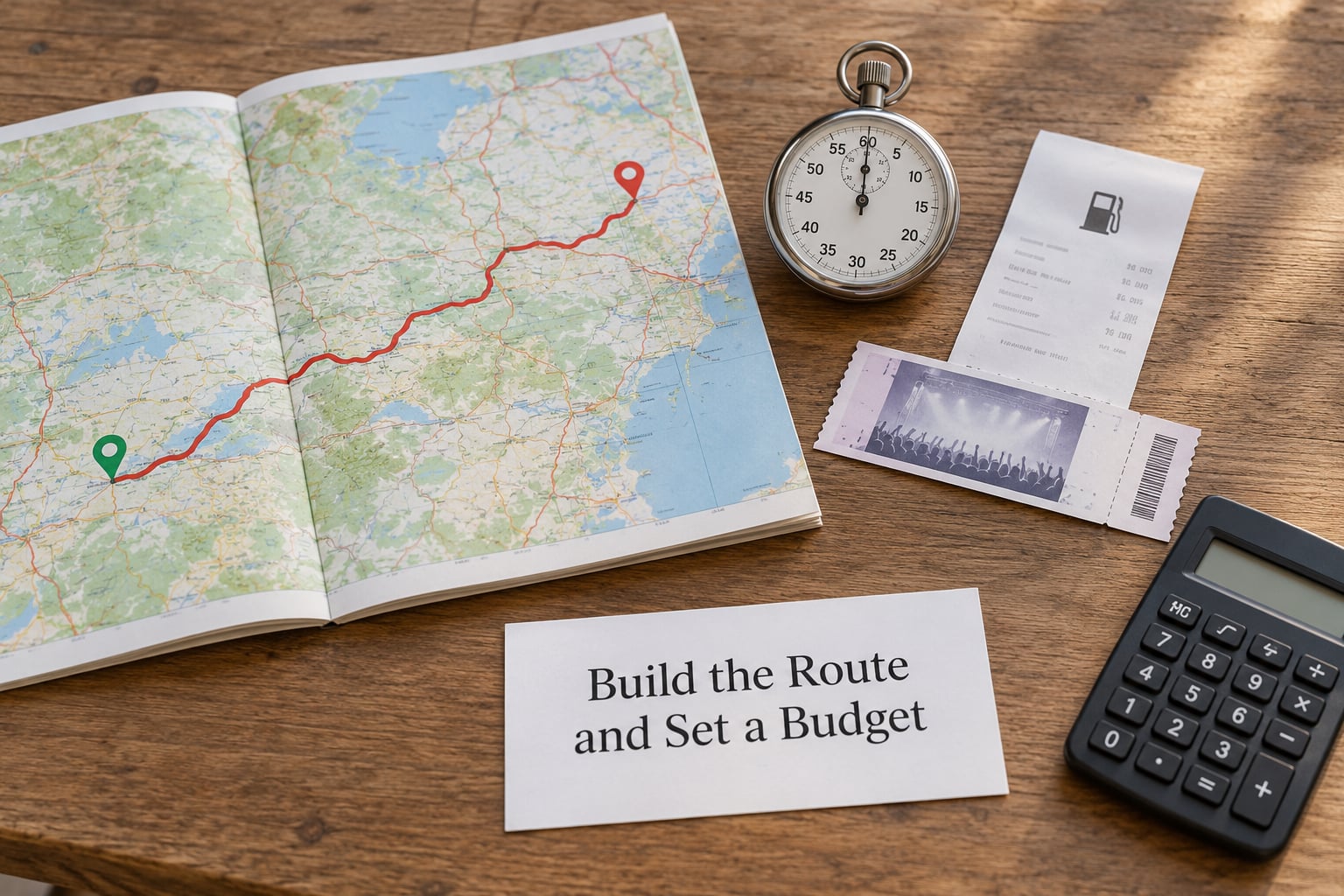
Cluster your shows by geography, not by ambition. Three shows inside a two-hour drive of each other is a good weekend; three shows in three states is a trip that eats your April.
Map the stops and calculate the distance between each pair. The useful unit is not miles, it is door-to-door drive time after you add parking, traffic and the walk from the hotel. A 90-minute map distance routinely becomes three hours on a Saturday evening.
Then pick a transport mode per leg:
- Driving wins on anything under about six hours door to door, because it moves your luggage with you and needs no check-in.
- Rail suits long legs between big cities, with fewer refuelling stops, but adds station transfers and a rental car at the far end.
- Coach is the cheapest long option and the slowest; overnight routes trade a hotel night for eight hours of seats.
- Flying only pays when the anchor event is far from home and you are staying put in one city. A flight plus a rental car plus transfers rarely beats driving if you plan to leave the airport twice.
Budget in categories rather than one total, because the categories behave differently:
- Fuel scales directly with miles driven, so route efficiency is the only lever that matters.
- Lodging is the most swingable cost. Host-city weekends during a major event inflate everything, while a mid-week indie stop in a smaller town costs far less.
- Admission runs on a wide spread. Independent shows run far lower than major televised cards, and that gap is the reason most fans add two or three indie stops to a pay-per-view weekend.
- Food, parking and local transit are steady and small, and easy to underestimate by a third.
Decide where an overnight stop earns its place. If the next day’s drive exceeds about four hours, stop early — you’ll get more out of the following day than you lose to the hotel.
How to know it worked: you have a door-to-door hour estimate for each leg and a per-day ceiling you would still accept after a long Saturday.
3. Reserve Transportation and Lodging
Book in this order: anchor event tickets, then flights or trains, then lodging, then car rental or local transit. Work backwards from a locked date rather than forwards from a sale.
Look for refundable or changeable conditions on every line item. A 24-hour cancellation window, where one is offered, is the cheapest insurance in the trip — one bad confirmation email and you recover the whole booking.
On lodging, weight the venue over the neighbourhood. Rooms inside a host-city event block cost more and often sit further out; a property fifteen minutes back from the arena usually gives you a better night’s sleep and a cheaper night, which matters when you’re driving the next morning.
A few practicalities:
- Check whether your hotel charges a parking fee before you assume the map distance is the whole story. Downtown garages can rival the room rate over three nights.
- Loyalty programs reduce the effective cost of repeat stays far more than they appear to, especially on three or more nights in one trip.
- Seasonality runs opposite to weather in wrestling. Spring is event-heavy because of WrestleMania season, summer tends toward house shows and regional cards, and autumn picks up televised tours.
- Read the cancellation policy on independent rooms twice. A prepaid non-refundable rate inside a small town buys you almost nothing, since the market is thin there anyway.
How to know it worked: every booking can be cancelled or changed without a major penalty, and no reservation requires a non-refundable payment more than 30 days out.
4. Secure Tickets and Create Backup Options
Buy from the source, in this order: the promotion’s official box office, the primary ticketing vendor it names, then an authorised resale platform if the first two are gone.
Set alerts for the first two even before tickets post. Major-event inventory disappears quickly, and resale pricing climbs the moment the primary allocation closes. Waiting is a choice, but an expensive one.
For independent shows, expect to buy at the door. Small venues frequently run a cash box at the entrance, sell tickets on the night, and hold nothing in reserve. Fans debate this constantly on forums, and the honest consensus is that an indie card that matters to you will not be there for you on show night.
Build backups in three layers:
- A second show in the same city on a different night. Most metro areas have one.
- A regional alternative within an hour’s drive. Verify the date before you rely on it.
- A waitlist request through the official box office for anything already showing as unavailable.
Never transfer money to a stranger’s resale listing without a traceable platform between you. Look for a real company, a contactable support desk, and a delivery guarantee. If a listing arrives by direct message with a payment link to a personal account, walk away.
How to know it worked: you hold tickets or a documented waitlist position for the anchor, and you have one verified backup per trip day.
5. Build a Day-by-Day Itinerary
Turn your bookings into a realistic schedule. Realistic means boring on paper and better in practice.
- Show days start earlier than you think. Add venue arrival, parking and the walk. Small venues often seat first-come, and being late means watching a main event from the back.
- Cap driving between shows. Two shows plus four hours of wheel time makes for a tired night and a poor review of the promotion you drove for.
- Place meal breaks on purpose. A ninety-minute stop at four in the afternoon does more for the evening than pushing through to six.
- Mark autograph and meet-and-greet windows. At conventions these are scheduled to the half hour; at indies they happen at the merch table, so leave room after the bell.
- Keep one flexible block per day. This absorbs a delayed start, a moved match, or the extra show you decided mid-afternoon was worth it.
- Write the driving day’s end time. A stated finish is the most effective guard against over-scheduling, which is the fastest way to turn a good trip into a grind.
How to know it worked: every travel day has a buffer, and no day requires you to arrive at an arena the night before a long drive.
6. Pack, Share, and Run the Trip
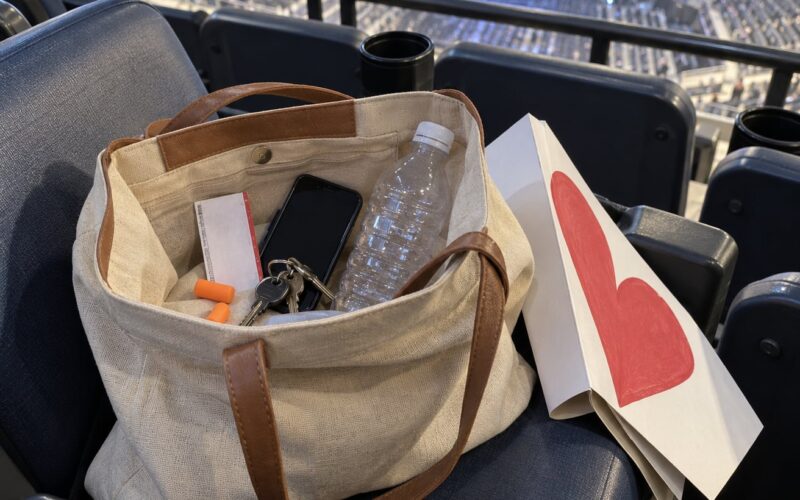
Pack for an arena, not for a holiday. Everything you need fits in one medium bag:
- Comfortable shoes and a layer for cold air-conditioning in a packed building
- A refillable water bottle, plus cash for door tickets and small vendors
- Charging cable and a battery pack, because autograph lines end where your phone dies
- Earplugs, and a spare pair
- Printed or offline copies of tickets and the itinerary
- A small first-aid kit and any prescriptions, kept in the cabin rather than a trunk
Share the plan properly. Everyone travelling needs the same five facts: the itinerary offline, the anchor ticket, the hotel address per night, the emergency contact, and the meeting point for each city. One shared document beats a thread of 40 messages.
Give someone at home the route, your vehicle details, and the dates. Set a check-in time if you are driving through remote stretches.
Run a final 24-hour verification routine the day before departure. Confirm the anchor show is still on that night at that venue. Re-check the next day’s show and venue. Confirm traffic and weather on your driving legs. Reconfirm any booking with a 24-hour cancellation window, since those usually expire soon.
How to know it worked: you can name tonight’s venue, tomorrow’s venue, and the time you leave the hotel, without opening an app.
Common Mistakes and Expert Tips
Anchoring on five shows instead of one. The route stops working, the hotel budget doubles, and every cancellation cascades. Fix: one must-see, one strong maybe, one backup.
Booking non-refundable arrangements first. The most common expensive error. Fix: keep lodging and transport flexible until the anchor show is confirmed in writing.
Ignoring show density. Small towns look close on a map and are empty on a Tuesday night. Fix: check what else is running that weekend before committing a night.
Over-scheduling. The single most-reported regret from first-timers. Fix: cap it at one show per day, two only when both are within 45 minutes of each other.
Trusting unverified listings. Dates change and venues move. Fix: cross-check every show on a promotion page and an independent database, dated today.
Packing as if it’s a holiday. Overpacking means unpacking in a cramped room and missing the merch line. Fix: one bag, and keep it in the car so you are not hauling it through a venue lobby.
Sharing plans only in chat. Fix: one offline document, distributed before departure.
Four expert tips that consistently show up in trip write-ups: pick the anchor before the route, not after; treat the anchor show like a flight and buy early; go for two or three indie shows around one major card rather than four major cards; and read each promotion’s own listing page the day before you leave, because indie calendars change weekly and no database is instant.
Frequently Asked Questions
How far in advance should I plan a professional wrestling road trip?
Start four to six months out for a major pay-per-view or WrestleMania weekend, because travel and lodging in a host city tighten first. For an independent-heavy trip, six to ten weeks is usually enough. The work that matters happens early: choosing the anchor, confirming the date, and setting a budget. Booking can happen closer in, but only if you know exactly what you are booking around.
What is the easiest way to travel between wrestling events?
Driving is easiest for most legs, especially anything under about six hours door to door, because your luggage moves with you and there is no check-in or rental transfer. Rail suits long hauls between large cities where you can pick up a rental car or use transit at the far end. Flying only makes sense when you are staying in one city for the whole trip and not planning to leave the airport twice.
Can I plan a wrestling road trip around a work weekend?
Yes, and it is easier than most people expect. Anchor the trip on a Friday-night show, add a Saturday show within an hour of the first city, and drive home Sunday afternoon. That gives you two shows and two nights away without booking time off. Book the return for late Sunday, not Saturday night, or you will be behind the wheel at an unhelpful hour.
How do I handle an event being changed or sold out?
Assume both will happen and design for it. Keep a second show verified for the same city on a different night, plus one regional alternative within an hour’s drive. Put both in your calendar so you can pivot without research. Buy independent tickets at the door if you can, arrive early, and always re-check the promotion’s own listing page the day before you travel, since venue changes are common.
Is a wrestling road trip suitable for first-time fans?
It is, and the independent circuit is arguably the better entry point. Small venues are cheap, close, and easy to learn in, so you learn the crowd, the pacing and the photography rules before anyone is looking over your shoulder. Book one nearby indie show before you commit to a multi-city route. That single night tells you whether the trip format is for you.
Start With Your Main Event
Choose the one show you cannot lose, confirm its date and venue from two sources, then set the budget ceiling. Only after that do you book flexible travel and lodging, build the route, and add the extra shows you were tempted by at the start.
That order is what keeps the trip standing when a date moves. Everything else on this page is detail; the order is the plan.